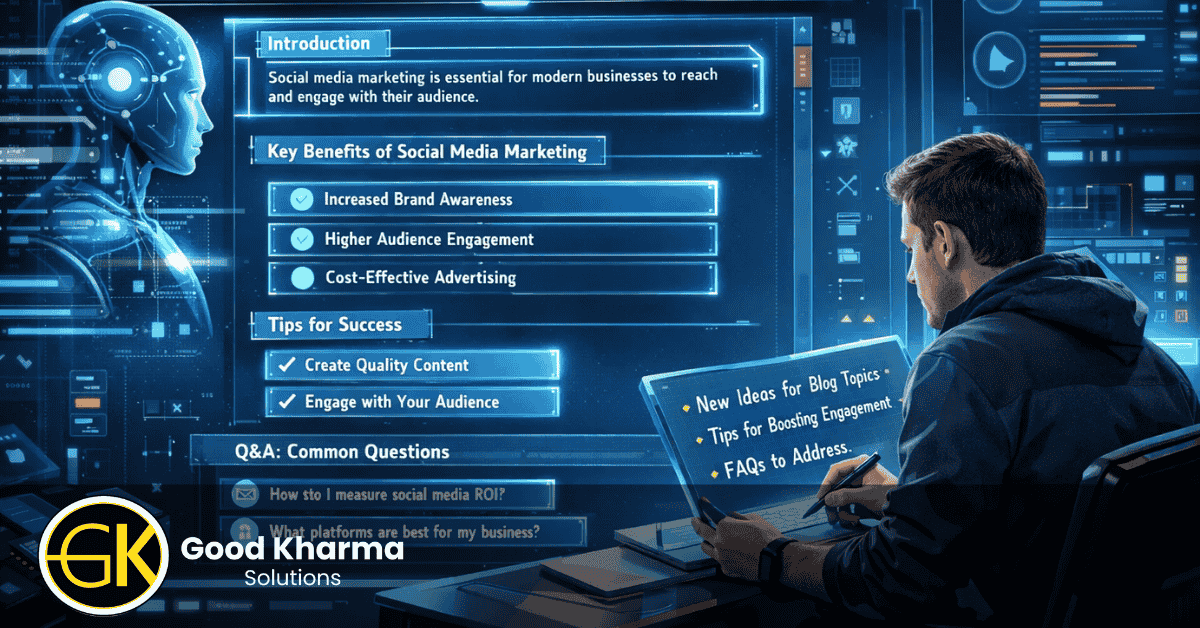
TL;DR: AI-driven ranking systems now guide what content users see across search engines and social platforms. AI evaluates structure, relevance, and signals like engagement to determine visibility. If you want to rank in 2026 and beyond, you must write content that AI can read and value. This post explains what ranking systems look for, how to structure content for AI clarity, and how to optimize for user intent and engagement.
What Ranking Systems Look For
AI ranking systems do not treat all content the same. They look for clear relevance, quality, and engagement potential before displaying content to users.
On social platforms like Instagram, AI systems use metrics such as watch time, engagement rate, and interaction to determine where Reels are shown. According to insights on how the Instagram algorithm works, these engagement signals are important for visibility (Hootsuite).
On search and assistant-driven results, AI systems value content that directly answers user questions, uses structured headings and lists, and offers context that aligns with user intent. Systems that offer generative answers often extract concise answers from content that is semantically relevant (Wikipedia).
Structure Your Content for AI Clarity
AI reads content best when it is broken into clear sections with simple, concise language. Using headings, short paragraphs, lists, and tables helps AI extract meaning without confusion.
Good formatting also increases the chance that AI will use your content in overviews or summaries.
Practical Tips
- Use H1, H2, and H3 headings to organize topics
- Include lists and bullet points where applicable
- Answer core user questions early in the article
AI systems prefer content that clearly shows what question is being answered and how it is solved.
Use Intent Driven Copy
Ranking systems are built to serve user intent. This means they match content that best fulfills what the user wants to know or see.
Instead of stuffing keywords, focus on phrases that reflect intent, such as:
- What is X
- How to do Y
- Why Z matters
This helps AI identify relevance quickly and improves the chance your content will rank.
Optimize for Engagement Signals
On platforms such as Instagram Reels, engagement metrics like watch time, shares, saves, and comments act as real-world relevance signals. Content that drives interaction is often shown to more users (Hootsuite).
Tips to Improve Engagement
- Start with a strong hook in your opening lines
- Ask clear questions that encourage comments
- Use text and visuals that prompt interaction
- Include relevant hashtags to increase discovery
Focus on Answer Clarity
Search and AI assistants often display answers directly in results. To be considered for these overviews, answer questions within the first few sentences of your content.
For example, start with a direct answer and follow up with details. This approach aligns with the needs of systems that extract content for direct responses.
Build Topic Authority
AI systems evaluate context and topical depth. Content that covers a topic deeply and connects related pages signals authority and relevance.
Ways to improve topical authority:
- Create clusters of related content
- Use internal links to connect pages
- Include semantically related terms in your writing
This approach helps both search and AI ranking systems view your content as comprehensive and trustworthy.
Refresh Your Content
AI driven systems evolve and so do user needs. Regularly update your most popular content with new insights, updated data, and improved structure. This keeps your content in line with what AI systems consider relevant.
Monitor and Iterate
Track how your content performs in search and on social. Watch for changes in visibility and engagement. Use this data to refine your content structure and topic focus over time.
Key Takeaways
Ranking in 2026 requires more than keywords. You must write content that AI can understand, that fulfills user intent, and that generates engagement. Use clear structure, direct answers, and engagement optimization to increase your content visibility across platforms driven by AI ranking systems.
Need help implementing these ranking strategies? Visit our home page or contact us to get expert assistance.